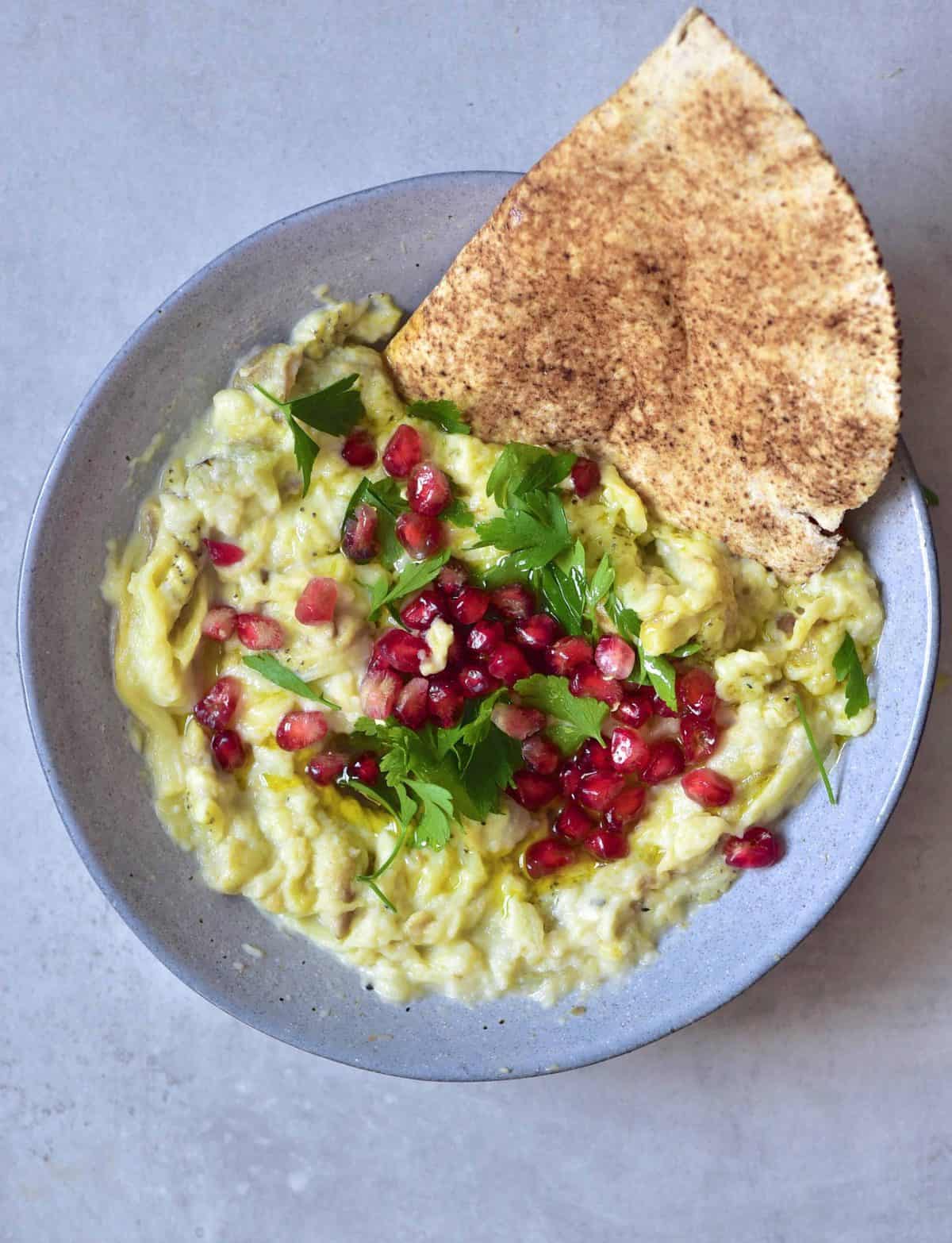
Master Smoky Vegan Moutabal: The Perfect Aubergine Dip
Prepare to have your taste buds truly amazed! If you've ever settled for store-bought versions of this classic Middle Eastern dip, you're in for a revelation. Homemade
vegan moutabal aubergine dip transcends anything you'll find in local Lebanese shops or large grocery containers. The fresh, intensely smoky flavor and creamy texture are simply incredible, a testament to the magic of simple ingredients handled with care. This isn't just a dip; it's an experience, a cornerstone of any vibrant mezze platter, and a dish that promises to be a hit at any gathering.
What is Vegan Moutabal? A Smoky Middle Eastern Delight
Moutabal, often affectionately referred to as the tahini-rich cousin of baba ghanoush, is a celebrated staple in Middle Eastern cuisine, particularly cherished in Lebanon. At its heart, it's a luscious dip crafted from roasted or grilled aubergines (eggplant in the USA), tahini, lemon juice, garlic, and salt. While many use "moutabal" and "baba ghanoush" interchangeably, traditional moutabal often boasts a higher tahini content, resulting in a creamier, nuttier profile. This distinguishes it from other aubergine dips that might rely more heavily on vegetables, herbs, or walnuts.
Like its popular counterpart, hummus,
vegan moutabal aubergine dip offers a creamy texture and is fundamentally plant-based. However, instead of chickpeas, the star ingredient is the humble aubergine, transformed by fire and smoke into a deeply flavorful base. The roasting process is key, imbuing the aubergines with a distinctive smoky character that forms the soul of this dip. It’s perfect for scooping with warm pita bread, enhancing a mezze spread, or complementing heartier main courses.
The Secret to Unforgettable Smoky Flavor
The single most crucial step in creating an authentic and utterly delicious
vegan moutabal aubergine dip is how you cook the aubergine. It's the secret to that unparalleled smoky depth that makes homemade versions so superior.
Achieving the Perfect Char
The best way to obtain that delicious smoky flavor is by cooking the aubergine over a medium open flame. This can be done directly on a gas hob burner, on a barbecue grill, or even using a blowtorch. The goal is to char the skin until it's black and blistered, while the flesh inside becomes incredibly soft and smoky.
*
Gas Hob Method: Place the whole aubergine directly over a medium flame. Turn it every 4-5 minutes, allowing each side to char completely. You'll know it's ready when the skin is entirely blackened and the aubergine feels soft and deflated when gently squeezed or pierced with a skewer. This typically takes around 15-20 minutes in total, depending on the aubergine's size.
*
Grill/BBQ Method: If you're already firing up the grill, this is a fantastic option. Place aubergines directly over the hot coals or burners, turning frequently, until evenly charred and softened. The natural smoke from the grill will further enhance the flavor.
*
Oven Roasting (Alternative): While an open flame delivers the most intense smokiness, you can still achieve a delicious result in the oven. Preheat your oven to a high temperature (around 200-220°C / 400-425°F). Cut the aubergine in half lengthwise, score the flesh deeply, and drizzle generously with olive oil. Place cut-side down on a baking tray. Roast for 30-45 minutes, or until the flesh is very tender and the skin is deeply browned and slightly collapsed. For an extra smoky kick, you can finish under the broiler for a few minutes to char the skin further, or even use a smoking gun if you have one. While not as potent as an open flame, this method still yields a wonderful depth of flavor.
Cooling and Peeling: Preserve the Smoke!
Once cooked, immediately transfer the hot aubergines to a bowl and cover tightly with cling film or a plate. Alternatively, place them in a zip-top bag. This steams the aubergines, making the skin incredibly easy to remove and, crucially, trapping all that precious smoky aroma within the flesh. Let them cool completely for 20-30 minutes.
After cooling, the charred skin should peel away effortlessly. If a few stubborn bits remain, gently scrape them off with a spoon or use a piece of paper towel to grip and pull. *Important tip:* Do NOT rinse the aubergine under water. This will wash away the beautiful smoky flavor you worked so hard to achieve and can make the flesh watery, compromising the final texture of your dip.
Crafting Your Perfect Vegan Moutabal: A Step-by-Step Guide
With your perfectly cooked aubergine ready, assembling your creamy
vegan moutabal aubergine dip is incredibly straightforward.
Essential Ingredients: The Foundation of Flavor
*
Aubergine (Eggplant): For the best results, choose Italian or Globe/American eggplants. Look for those with a deep purple color, firm texture, and a surprisingly heavy feel for their size. Heavier aubergines generally have fewer seeds and a meatier flesh, which is ideal for a smooth, rich dip.
*
Tahini: This sesame paste is non-negotiable for authentic moutabal. It provides a creamy texture, a subtle nutty flavor, and helps emulsify the dip. Use a good quality tahini; a runny, light-colored tahini typically indicates a higher quality and better flavor profile. You can even make homemade tahini in minutes if you have sesame seeds on hand!
*
Lemon Juice: Freshly squeezed lemon juice is essential for a bright, tangy contrast that cuts through the richness of the tahini and aubergine. Adjust to your personal preference for tanginess.
*
Garlic Clove: A small clove of fresh garlic provides a sharp, aromatic kick. Start with one clove and add more if you prefer a stronger garlic presence. For a milder garlic flavor, you can roast the garlic alongside the aubergine.
*
Olive Oil: A generous drizzle of good quality extra virgin olive oil before serving adds a rich, fruity finish and a beautiful sheen.
*
Salt: To taste, for seasoning and enhancing all the other flavors.
The Assembly Process
1.
Prepare the Aubergine Flesh: Once peeled, place the smoky aubergine flesh in a bowl. Using a fork, mash it thoroughly until mostly smooth. For an extra creamy, silky-smooth consistency, you can transfer the flesh to a food processor or blender. If you prefer a dip with a bit more texture, stick to the fork.
2.
Combine Ingredients: To the mashed aubergine, add the tahini, minced garlic, freshly squeezed lemon juice, and a pinch of salt.
3.
Mix and Adjust: Mix everything together thoroughly. Taste the mixture and adjust the seasonings as needed. You might want to add more lemon juice for tang, more salt to bring out the flavors, or a touch more tahini for extra creaminess and nutty depth. This is where your personal touch comes in!
4.
Chill (Optional but Recommended): While you can serve it immediately, allowing the moutabal to chill in the refrigerator for at least 30 minutes (or even a few hours) allows the flavors to meld and deepen, resulting in an even more delicious dip.
For an even deeper dive into perfecting the smoky essence and ensuring your homemade dip is authentic every time, check out our guide on
Homemade Vegan Moutabal: Unlocking Authentic Smoky Aubergine Flavor.
Serving Suggestions & Culinary Versatility
The beauty of
vegan moutabal aubergine dip lies in its incredible versatility. It's far more than just a dip; it's a culinary chameleon that can elevate countless dishes.
Traditional Pairings
*
Pita Bread: The quintessential companion! Warm, soft pita bread is perfect for scooping up generous portions of moutabal.
*
Mezze Platter: No Middle Eastern feast is complete without it. Serve alongside creamy homemade hummus, vibrant tabbouleh salad, falafel, olives, and pickled vegetables for a stunning spread.
*
Grilled Meats: Traditionally, moutabal is served as a cooling, rich counterpoint to grilled kofta kebab and beef shish kabob. Its smoky notes complement the char of the meat beautifully.
*
Vegetarian Mezze: Perfect with falafels, grilled halloumi (if not strictly vegan), or other roasted vegetables.
Modern Twists & Creative Uses
Don't limit this delicious dip to traditional settings!
*
Sandwich Spread: Use it as a flavourful alternative to mayonnaise or other spreads in your wraps, sandwiches, or paninis.
*
Vegetable Dip: A healthier option for dipping fresh veggie sticks like carrots, cucumbers, bell peppers, and celery.
*
Grain Bowls: Dollop a generous spoon of moutabal into your grain bowls for an instant flavor boost and creamy texture.
*
Side Dish: Serve it as a sophisticated side to grilled fish, roasted chicken, or alongside a hearty lentil or bean dish.
To explore more ways this creamy aubergine delight can become a regular star in your kitchen beyond the hummus jar, discover new ideas in
Vegan Moutabal: Your Creamy Mezze Staple Beyond Hummus.
Garnishing for Impact
A beautifully garnished moutabal not only looks inviting but also adds extra layers of flavor and texture:
*
Olive Oil: Always finish with a generous swirl of extra virgin olive oil.
*
Fresh Herbs: A sprinkle of chopped fresh parsley or mint adds freshness and color.
*
Pomegranate Seeds: For a delightful burst of sweetness, tartness, and a pop of vibrant red.
*
Sumac: A dusting of sumac offers a subtle tangy, lemony flavor and a beautiful deep red hue.
Conclusion
Crafting your own
vegan moutabal aubergine dip from scratch is a rewarding culinary journey that promises unparalleled flavor. The simple act of charring aubergines over an open flame unlocks a depth of smokiness that store-bought versions can only dream of. Combined with the creamy richness of tahini, the zesty brightness of lemon, and the aromatic kick of garlic, you'll create a dip that is not only incredibly delicious but also surprisingly easy to master. So, gather your ingredients, fire up that flame, and prepare to delight yourself and your guests with this truly perfect Middle Eastern delicacy. It's more than just a dip; it's a celebration of flavor, tradition, and the joy of homemade goodness.