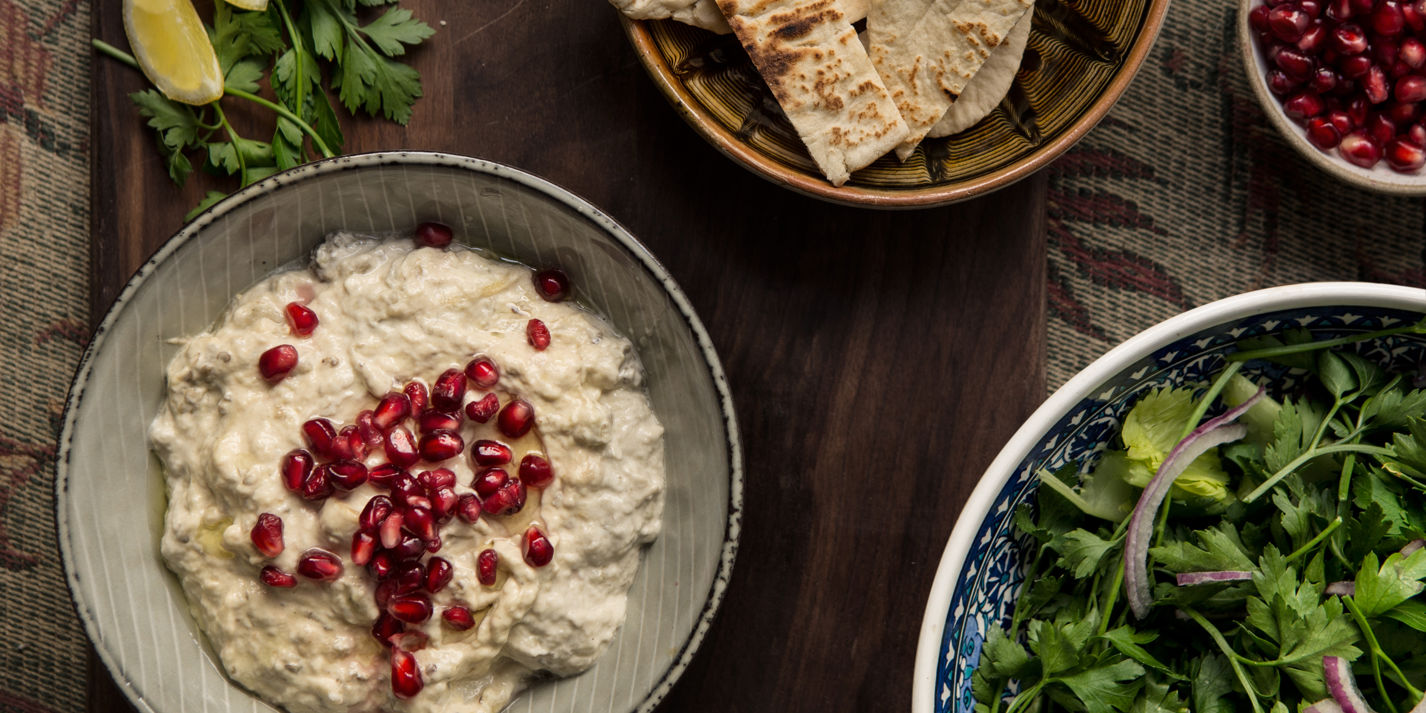
The Irresistible Allure of Homemade Vegan Moutabal
Imagine a dip so rich, so creamy, and imbued with an unforgettable smoky essence that transports your taste buds straight to the heart of the Middle East. That's the magic of homemade
vegan moutabal aubergine dip. While often confused with or used interchangeably with Baba Ghanoush, moutabal truly shines when crafted from scratch, offering a depth of flavor that store-bought versions – no matter how well-intentioned – simply cannot replicate. Forget the bland, overly processed tubs; embarking on the journey to make your own smoky aubergine dip is a culinary revelation. It’s an incredibly simple process that yields an immensely satisfying result, perfect for a cozy night in, an elegant dinner party, or as the star of a vibrant mezze platter.
This article will guide you through unlocking the authentic, smoky flavor that defines a truly exceptional
vegan moutabal aubergine dip. We’ll delve into the essential ingredients, the crucial charring technique for that signature smokiness, and how to blend everything into a harmonious, creamy masterpiece. Get ready to elevate your plant-based dipping game and impress everyone with this delectable creation.
Unveiling the Star Ingredients: Crafting Your Vegan Moutabal Aubergine Dip
The beauty of an authentic
vegan moutabal aubergine dip lies in its simplicity and the quality of its core components. Each ingredient plays a vital role in achieving that perfect balance of smoky, creamy, tangy, and savory.
- Aubergine (Eggplant): The Smoky Heart
The cornerstone of moutabal, the aubergine transforms from a humble vegetable into a smoky, tender delight. For the best results, opt for large Italian or Globe/American eggplants. Look for those with a deep purple color, firm skin, and a good weight for their size. Heavier aubergines often have fewer seeds and a meatier texture, which is ideal for a creamy dip. The cooking method, as we'll explore, is paramount to extracting its full potential.
- Tahini: The Creamy Emulsifier
This sesame paste is what gives moutabal its characteristic creaminess and a subtle, nutty undertone. It’s a non-negotiable ingredient, much like in hummus. Quality tahini, ideally made from hulled sesame seeds, will result in a smoother, less bitter dip. While readily available, you can even whip up fresh tahini at home in minutes for an even more vibrant flavor.
- Lemon Juice: The Bright Counterpoint
Freshly squeezed lemon juice is crucial for cutting through the richness of the tahini and the smokiness of the aubergine. It adds a zesty, bright tang that elevates all the other flavors, preventing the dip from feeling heavy. Always use fresh lemons for the best taste.
- Garlic Clove: The Aromatic Kick
Just one small garlic clove, finely minced, provides a sharp, aromatic kick that invigorates the dip without overpowering it. Its pungency mellows beautifully once mixed, adding depth.
- Olive Oil: The Finishing Touch
A drizzle of good quality extra virgin olive oil before serving isn't just for presentation; it adds a rich, fruity finish and enhances the overall mouthfeel.
- Salt: The Flavor Enhancer
Essential for seasoning, salt brings out and balances all the other flavors. Adjust to your personal preference throughout the mixing process.
Mastering the Smoky Secret: Charring Your Aubergine to Perfection
The defining characteristic of an outstanding
vegan moutabal aubergine dip is its unmistakable smoky flavor, and this is achieved through the charring process. This step is not just about cooking the aubergine; it's about infusing it with that deep, earthy smokiness that makes homemade moutabal so superior.
The absolute best way to achieve this is by cooking the whole aubergine over a medium-to-high open flame. This can be done directly on a gas hob, a barbecue grill, or even under a broiler if an open flame isn't an option (though the smoky depth will be less pronounced).
- Flame-Charring Method:
- Place the whole aubergine directly over a medium open flame on your gas hob.
- Allow it to char, turning it every 4-5 minutes, until the skin is completely blackened and blistered, and the flesh inside feels incredibly soft when pierced with a skewer or knife. This typically takes 15-20 minutes in total, depending on the size of your aubergine. Don't be afraid of the intense charring; this is where the magic happens!
- Alternatively, if using a grill or BBQ, place the aubergine directly over hot coals or a medium-high flame, turning until uniformly charred and soft.
- Oven Roasting (Alternative):
- While an open flame yields the most authentic smokiness, you can roast aubergine in the oven. Preheat your oven to 180°C (355°F).
- Cut the aubergine in half lengthwise and score the flesh deeply with a knife. Drizzle generously with olive oil.
- Place cut-side down on a baking tray and roast for 20-25 minutes, or until very soft. While this method cooks the aubergine, it won't impart the same depth of smoky flavor, which is key for a truly authentic moutabal.
Once your aubergine is perfectly cooked and smoky, remove it from the heat and let it cool completely. To retain moisture and help the skin peel off easily, you can cover it loosely with a bowl or foil for 20-30 minutes. The charred skin should then slip off effortlessly.
Important tip: Do NOT rinse the aubergine under water to remove the skin! This will wash away all that precious smoky flavor and negatively affect the texture. For any stubborn bits of skin, gently scrape them off or use a piece of tissue paper to help peel them away. If you're looking to dive deeper into perfecting this mezze staple, explore our guide on
Master Smoky Vegan Moutabal: The Perfect Aubergine Dip.
From Flame to Fork: Assembling Your Creamy, Authentic Moutabal
With your perfectly charred and cooled aubergine ready, the final step is to transform it into the creamy, flavorful
vegan moutabal aubergine dip you've been craving. This stage is all about combining the ingredients and finding that ideal balance of texture and taste.
First, gently scoop the soft, smoky aubergine flesh into a mixing bowl. You have a choice here regarding texture:
- For a Rustic Dip: Use a fork to mash the aubergine flesh until it's relatively smooth but still retains a few small pieces. This gives a delightful textural contrast.
- For a Silky Smooth Dip: Transfer the aubergine flesh to a food processor or blender. This will yield a very fine, creamy consistency, similar to a purée.
Once the aubergine is mashed or processed to your desired texture, add the tahini, minced garlic, fresh lemon juice, and a good pinch of salt. Mix everything thoroughly. If using a food processor, blend until smooth and well combined.
Now comes the crucial part: tasting and adjusting. Take a small spoonful and assess the flavor.
- Too bland? Add more salt.
- Lacking zest? Squeeze in a little more lemon juice.
- Need more depth? A tiny bit more garlic can work wonders, but be careful not to overpower the delicate aubergine.
- Too thick? You can add a tablespoon of cold water, or a little more lemon juice to thin it out slightly, if needed.
Continue to mix and taste until you achieve your ideal flavor profile. The goal is a harmonious blend where the smokiness, tanginess, creaminess, and saltiness all shine without any single element dominating.
Beyond the Pita: Creative Ways to Enjoy Your Vegan Moutabal Aubergine Dip
While traditional Lebanese pita bread is undoubtedly the perfect vehicle for scooping up luscious mouthfuls of
vegan moutabal aubergine dip, its versatility extends far beyond. Moutabal is a true mezze staple, an essential component of any Middle Eastern spread, but don't limit its potential!
Here are some delicious and creative ways to enjoy your homemade dip:
- Classic Mezze Platter: Serve alongside other plant-based delights like creamy homemade hummus, vibrant tabbouleh salad, crisp falafel, marinated olives, and fresh vegetables for an authentic Middle Eastern feast.
- Crudités Companion: Pair with a colorful array of fresh, crunchy vegetables such as carrot sticks, cucumber slices, bell pepper strips, celery, and radishes for a healthy and satisfying snack.
- Sandwich & Wrap Spread: Ditch the mayo and use moutabal as a flavorful, creamy spread for sandwiches, wraps, and even burgers. It adds an incredible layer of taste and moisture.
- Grain Bowl Enhancer: Dollop a generous spoonful onto your favorite grain bowls (think quinoa, couscous, or bulgur) for an instant flavor boost and a creamy texture.
- Deconstructed Appetizer: Serve in individual small bowls with toasted pita chips or artisanal crackers for an elegant appetizer.
- Savory Breakfast: Enjoy a dollop on toast or as part of a savory breakfast plate with avocado and tomatoes.
To finish your dip beautifully, spoon it into a serving bowl, create a swirl or well in the center, and drizzle generously with extra virgin olive oil. For an added pop of color and flavor, garnish with fresh parsley, a sprinkle of vibrant pomegranate seeds, or a dusting of sumac. These garnishes not only make it visually appealing but also add contrasting textures and tastes. For those eager to expand their plant-based mezze repertoire beyond traditional hummus, remember that
Vegan Moutabal: Your Creamy Mezze Staple Beyond Hummus offers an exciting, flavourful alternative.
Homemade
vegan moutabal aubergine dip will truly amaze you with its fresh, smoky intensity – a flavor profile you will never encounter in any store-bought alternative. It's a simple, rewarding recipe that guarantees to be a hit at any gathering, proving that authentic, gourmet taste is easily achievable right in your own kitchen.
In conclusion, crafting your own
vegan moutabal aubergine dip is a journey worth taking. From selecting the perfect aubergine to mastering the crucial charring technique and then blending it into a creamy, zesty dip, each step contributes to an unparalleled taste experience. This smoky, rich, and utterly delicious creation is not just a dip; it’s an invitation to savor the vibrant flavors of Middle Eastern cuisine, made with love and authenticity in your very own home. Give it a try – your taste buds will thank you!